Fix it
Plyo Box Problems and Fixes: Sliding Boxes, Wobbly Assembly, Torn Covers, and Slick Landings
Fix the common plyo box problems: boxes that skate on concrete, flat-pack wobble, foam stacks that shift, worn landing surfaces, and vinyl cover damage.

Plyo box faults concentrate at interfaces: box to floor, panel to panel, block to block, shoe to surface. Each problem in this list is an interface asking for attention, and each fix is cheaper than the injury or the replacement that ignoring it eventually buys. Check any box that has started moving, sounding, or feeling different before the next jump session, not after it.
Box slides or skates on concrete or smooth flooring
Put rubber stall matting under the box; this is the correct installation, not a workaround. For wooden boxes, adhesive grip strips on the base edges add a second line of defense. Light foam boxes on slick floors may also need to be jumped onto squarely rather than with forward travel. A box that still moves on matting has a warped base or a floor slope to solve, not a grip problem.
Assembled wooden box wobbles or twists
Set the box on a known flat surface and find the rocking corner. Loosen the panel screws in sequence, press the box square, and retighten progressively rather than corner by corner; most flat-pack twist is assembly order stored in the joints. Confirm no screws were skipped and that internal bracing is installed. A box that cannot be squared has a warped panel, which is a warranty conversation.
Foam stack shifts or separates mid-session
The straps were skipped or loosened. Rebuild the stack on matting, strap every interface snugly, and test with step-ups before jumps. Check that hook-and-loop surfaces are clean; chalk and dust clog them into uselessness, and a stiff brush restores most of their bite. Treat strap checks like a pre-flight ritual and the problem class disappears.
Landing surface feels slick (wood)
Clean the face first; dust and dried sweat polish plywood quietly. Then add grip: adhesive tread tape in flat strips, or a fitted rubber top, both standard gym modifications. Keep tape edges flush so nothing becomes a trip lip. If one face is worn shiny while others are fine, rotate your working face to spread wear.
Vinyl cover torn at a corner (foam boxes)
Small tears get vinyl repair tape or a patch kit before they grow; the foam beneath is unharmed by a surface tear. Keep patched blocks at the bottom of stacks where the patch sees least shoe traffic. A cover torn along a seam under warranty belongs to the manufacturer; a corner scuffed by a year of landings belongs to normal ownership.
Box feels too high suddenly after weeks of progress
The box did not change; fatigue, footwear, or a new training load did. Drop one height, rebuild landing quality for a session or two, and treat the regression as programming rather than failure. Persistent loss of jump height across weeks is a recovery signal worth respecting more than any box setting.
Still stuck? Compare the current top picks
Full ranked list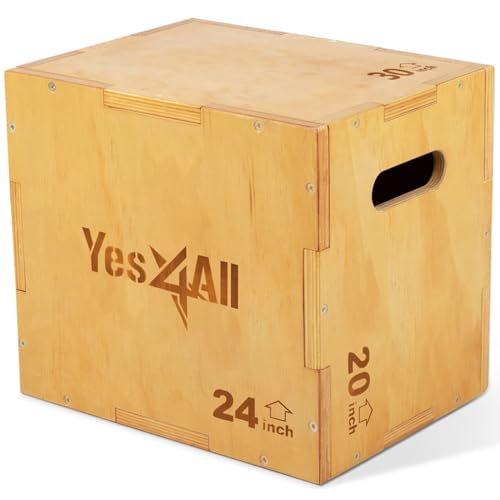
FAQ
Questions, answered straight
Can I repair a cracked plywood panel?
A surface veneer check or cosmetic crack can be glued and clamped. A crack through a structural panel or at a joint ends that panel's jumping career; replace the panel through the manufacturer or retire the box to step and mobility duty at low load. Never jump on a box whose structure you are debating.
How do I clean a foam box cover?
Wipe with a damp cloth and mild soap; vinyl covers are made for it. Let the box dry fully before stacking or storing, since trapped moisture between blocks is how covers and foam age early. Avoid solvent cleaners that attack vinyl.
My box rocks only on one face. What gives?
One face's edges carry the wear or the warp. Test the box on a flat surface face by face; a single rocking face usually means a worn or slightly uneven edge on that orientation, fixable with a furniture pad shim for step work but worth a panel check before jumping at height on that face.