Fix it
Cable Machine Problems and Fixes: Frayed Cables, Sticking Carriages, and Stack Rattle
Fix common cable machine problems: cable fray and wear, carriages that stick or tilt, weight stacks that clank, pulleys that squeak, and selector pins that will not seat.

Cable machines fail gradually and audibly first: a new squeak, a carriage that needs a jiggle, a stack that lands louder than it used to. Work this list at the first sign rather than the first failure, because the cable itself is the one component whose condition is a safety question, not a comfort question.
Cable coating cracked or wire strands visible
Stop using that cable run. Fraying starts where the cable bends over pulleys under load and it does not heal. Order the manufacturer replacement for your model, photograph the routing before removal, and thread the new cable along the identical path. Treat any cable with exposed wire as retired, whatever the calendar says.
Carriage sticks or tilts on the upright
Clean the upright contact faces and the carriage rollers or bushings; chalk dust and garage grit are the usual cause. Check that both locking pins engage evenly and that the carriage is not being pulled at an angle by a twisted cable. A dry wipe and realignment fixes most cases without lubricant the manual does not specify.
Weight stack clanks or lands unevenly
Confirm the selector pin passes fully through the intended plate and the stem is straight. Inspect the top plate bushings and guide rods for dryness or debris, and check that the stack sits level on its bumpers. Uneven landing after a pin check usually means a bent stem or worn bumper, both replaceable parts.
Pulley squeaks under load
Spin each pulley by hand to find the noisy one. Clean its groove, check for cable misalignment riding the flange, and confirm the pulley bolt is snug without being crushed tight. Persistent squeak with wobble means the bearing or bushing is worn and the pulley should be replaced.
Selector pin will not seat at heavy selections
The stack is probably resting slightly twisted or a plate is hanging on the guide rods. Lift the top plate a fraction by hand to unload the holes, seat the pin fully, and let it settle. If one plate position repeatedly refuses the pin, inspect that plate hole and the stem for damage before forcing anything.
Still stuck? Compare the current top picks
Full ranked list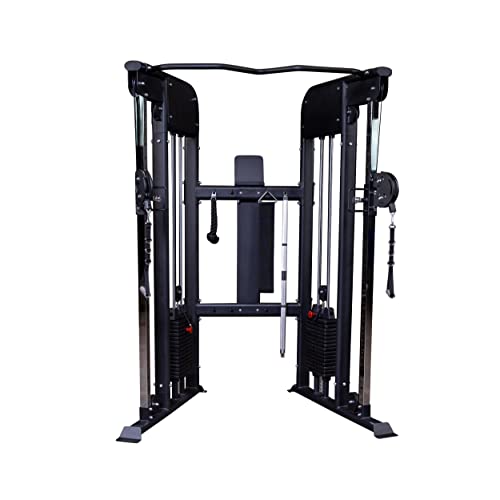
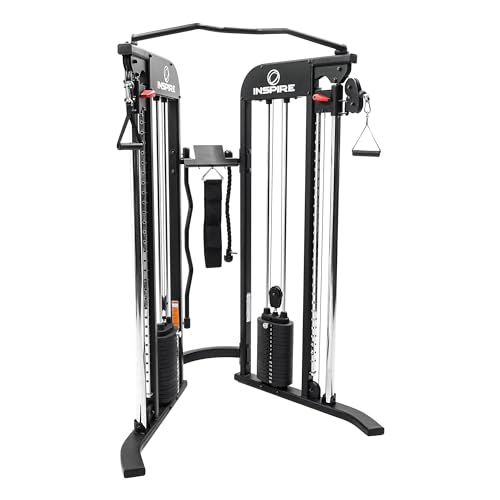
FAQ
Questions, answered straight
How often should cables be replaced?
By condition, not calendar: inspect monthly and replace at the first exposed wire, cracked coating at a bend, or kink. Home use typically gives years per cable, but a damaged cable has no safe remaining life to negotiate with.
Can I use a longer or universal cable as a replacement?
Match length, diameter, and end fittings to the manufacturer specification. A universal cable cut wrong changes travel and stack rest position. Model specific replacements cost little more and remove the guesswork.
My trainer rocks slightly on heavy rows. Is that normal?
Light movement on uneven floors is common; shim the frame feet level first. Rocking that grows, or any lift of a frame foot under load, means check anchoring options and keep heavy two handed pulls centered between the uprights.