Buying guide
Home Treadmill Buying Guide (2027): CHP, Belt Size, Rollers, and the Subscription Math
How to buy a home treadmill: read motor ratings honestly, size the belt to the tallest runner, judge folding claims, and total the real cost of connected models.
Motor ratings, decoded
CHP means continuous horsepower, the power a motor sustains, and it is the only figure worth comparing. Peak HP numbers inflate freely. As a working rule from this guide's machines: 2.25 to 2.5 in the walking class, 3.0 CHP for mixed use, 3.5 CHP and up for daily running and heavier users. A motor working near its ceiling runs hot and loud; headroom is quietness and lifespan.
Size the belt to the runner, not the room
Length decides stride freedom: 55 inches jogs, 60 inches runs, and under 52 inches walks. Width decides confidence: 22 inches feels spacious, 20 is standard, 16 to 17 is a walking pad wearing a treadmill costume. Then check the room against the folded footprint, the doorway path, and ceiling height at incline, in that order, because that is the order in which buyers get surprised.
Top picks from our research
Full ranked list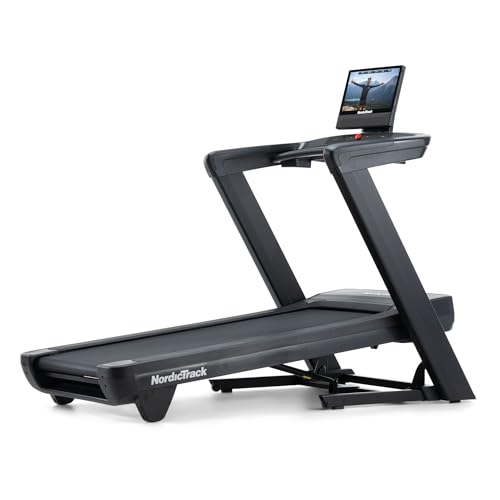
Incline, decline, and what you will use
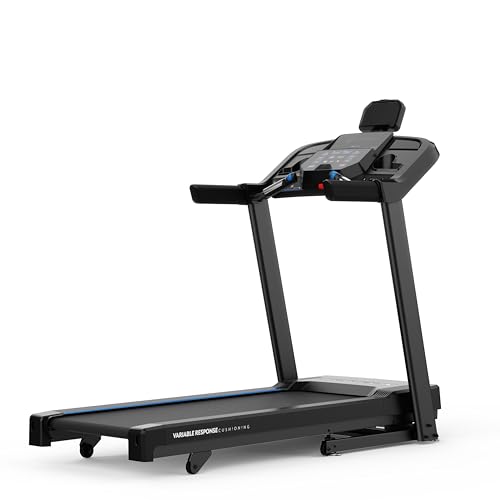
Powered incline is worth paying for; it is the easiest effort dial a walker owns. Fifteen percent is a genuine hill. Decline is a specialist feature: valuable for course training, unused by most households. Manual incline on budget models means stopping, pinning, and restarting, which in practice means it stays wherever it was left.
The subscription math nobody does
A connected treadmill's true price is the machine plus the membership across your ownership window. Five years of a premium membership can exceed the price gap between a screen model and a Sole. Neither choice is foolish, but compare totals, and ask what the console does in manual mode, because someday you will pause the membership and find out.
Rollers, belts, and warranty tells
Larger rollers (2.5 in and up on the runner class) run the belt with less strain and noise. Two-ply belts outlast single-ply. Warranty structure tells you what the maker believes: lifetime frame and motor framing, as Sole offers, signals commercial intent; short motor coverage on a running treadmill signals the opposite. Read the parts and labor years, not just the headline.
FAQ
Questions, answered straight
What is the best home use treadmill for a mixed household?
A 60-inch belt, 3.0 CHP or better, and a fold. In this guide that is the 1750 for class households and the F80 or 7.0 AT for self-directed ones.
Do I need a dedicated circuit?
Most home treadmills ask for a dedicated 15 or 20 amp circuit in their manuals, and tripped breakers mid-run are a common complaint where one is shared. Check the manual for your finalist and your panel before delivery.
How long should a home treadmill last?
With lubrication and belt care, the runner-class frames here are decade machines. Budget walkers used within their limits last years; used as runners, months to a couple of years is the pattern in owner feedback.