Fix it
Spin Bike Problems and Fixes: Clicks, Squeaks, Slipping Belts, and Dead Consoles
Fix common indoor cycling bike problems: pedal clicks, friction pad squeal, resistance knob faults, Bluetooth pairing, wobble, and belt slip.
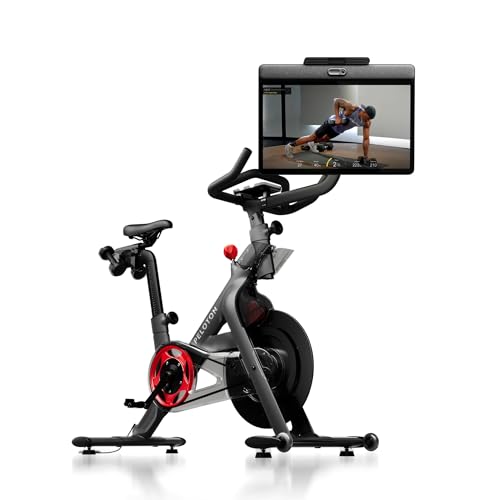
Spin bikes fail in a handful of known ways, and most of them trace to assembly torque, sweat, or a wear part doing its job. Work through these in order before you start pricing replacements; bring a hex key set and ten unhurried minutes.
Clicking once per pedal revolution
Tighten both pedals first, remembering the left pedal is reverse threaded. A click that survives points to a loose crank arm or a pedal bearing. Determine which side by riding one legged briefly at low resistance: the click follows the faulty side. Do not keep sprinting on a clicking crank; loose arms damage the taper.
Squeaking or squealing under load (friction bikes)
The pad is glazed, dry, or contaminated. Lightly clean the flywheel rim with a dry cloth, check the pad for embedded grit, and confirm the knob pressure is even. Pads are consumables: a pad that squeals at every setting after cleaning is telling you it is done. Magnetic bikes should never squeal; a squeak there is usually a loose stabilizer or seat post, not the brake.
Resistance knob spins with no change, or resistance is stuck
On pad bikes, the linkage cable may have slipped; reseat it at the brake arm. On magnetic bikes, power cycle the console and check the magnet carriage cable at the frame joint. A bike that went full hard after a move often has a pinched cable where the handlebar post enters the frame.
Bike wobbles or rocks during standing climbs
Level it: adjust the stabilizer feet until all corners bite, on the mat and floor it will live on. Then check the seat and handlebar post clamp bolts, which loosen in the first month as parts seat. Persistent rocking on carpet usually means the mat is too soft, not that the bike is flexing.
Bluetooth will not pair or cadence reads zero
Wake the console by pedaling, then pair from inside the app rather than the phone's Bluetooth menu, which many bike consoles reject. Replace the console batteries or check the USB power path on weak signals. Cadence at zero with speed present means the sensor magnet on the crank has shifted; realign it to pass close to the sensor per the manual.
Belt slipping or a burnt rubber smell on hard efforts
Stop and inspect. A slipping belt on a newer bike is often a tension or alignment issue from assembly; follow the manual's tension procedure rather than improvising. A burnt smell with a friction pad is pad overload: back the knob off and let it cool, and check the pad has not melted a flat spot, which will thump until replaced.
Still stuck? Compare the current top picks
Full ranked list
FAQ
Questions, answered straight
How often should pedals and cranks be checked?
Monthly for the first quarter, then every few months. Pedals work themselves loose against their threads by design of pedaling forces, which is why the left side uses a reverse thread.
Is sweat damage covered as a defect?
Corrosion from sweat is treated as maintenance by every maker here. Wipe the frame, flywheel rim, and adjustment posts after hard rides, and keep a towel on the top tube during classes. It is the cheapest warranty you can buy.