Buying guide
Spin Bike Buying Guide (2027): Drives, Brakes, Flywheels, and App Math
How to buy an indoor cycling bike: belt versus chain, magnetic versus friction, flywheel feel, pedal standards, fit ranges, and the true cost of connected bikes.
The two decisions that outlive everything else
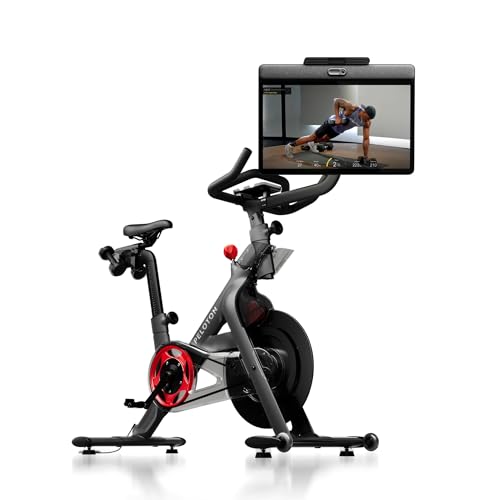
Drive and brake. Belt drives are quiet and maintenance free; chains feel traditional and need lubrication and eventual replacement. Magnetic brakes are silent, precise, and never wear; friction pads are strong and cheap with a soft contact sound and a pad you will replace. Belt plus magnetic is the modern home default for a reason, and every premium pick in our guide uses it. Friction still makes sense at the budget tier, where the Sunny B1002's heavy flywheel feel is worth a wear part.
Flywheel weight is a feel, not a score
A heavy front flywheel gives momentum and a road like surge. A light, rear mounted magnetic wheel, as on the Keiser and Diamondback, gives a smoother, more controlled stroke with no coasting mass. Perimeter weighting blurs the line. Judge bikes by the pairing of wheel and brake, and distrust any guide that ranks this category by flywheel pounds alone.
Top picks from our research
Full ranked list
Pedals and shoes, settled early
Three pedal worlds exist: toe cages for any shoe, SPD clips for mountain style cycling shoes, and Peloton's Delta look cleats. Dual sided pedals on the Schwinn and BowFlex cover the first two. If you already own road shoes, check the standard before the bike ships, because adapters and pedal swaps are an annoying first week errand.
Fit: four way or walk away
Insist on seat and handlebar adjustment both vertically and fore aft. Set the seat so your knee keeps a slight bend at the bottom of the stroke, bars level with or slightly above the seat for home riders. Check the published inseam range against your own, especially at the budget tier where frames run small, and confirm the capacity covers your riding weight with margin for out of saddle work.
Connected math, done honestly
Add three years of membership to any connected bike before comparing prices. A mid tier open bike plus three years of an app you chose can cost less than a premium screen bike plus its required plan, and it lets you change apps without changing hardware. Buy the closed ecosystem only when its specific classes are the reason you will ride, which for many people is a perfectly good reason, stated plainly.
FAQ
Questions, answered straight
Can a spin bike replace my gym membership?
For cycling, yes, that is the category's purpose. Riders who also lift should budget the floor space and money for strength gear separately; the dumbbell cradles on some bikes hold 3 lb weights for class choreography, not strength training.
How loud is a spin bike through an apartment floor?
Belt and magnetic bikes are conversation quiet at the machine; what travels is vibration from standing sprints. A dense mat and keeping hard efforts to reasonable hours solves it for most owners.
What maintenance does a spin bike need?
Wipe sweat after rides, it corrodes finishes. Check pedal and crank bolts monthly. Replace friction pads when resistance feels gritty. Belts and magnetic systems otherwise run for years with no scheduled service.