Head to head
Peloton Bike+ vs Keiser M3i (2027): Screen Studio or Pure Machine?
Bike+ and M3i compared on philosophy: connected classes and auto-follow against commercial mechanics with no screen and no membership.

Peloton Bike+ vs Keiser M3i Indoor Cycle: the specs, side by side
| Spec | Peloton Bike+ | Keiser M3i Indoor Cycle |
|---|---|---|
| Drive | Belt | Poly-V belt |
| Resistance | Magnetic, digital auto-follow capable | Magnetic, gear lever with 24 gears |
| Display | 23.8 in rotating HD touchscreen | - |
| Capacity | 297 lb | 350 lb |
| Dimensions | 59 x 22 x 59 in (L x W x H) | 49 x 26 x 45 in (L x W x H) |
| Flywheel | - | Rear mounted, low mass magnetic system |
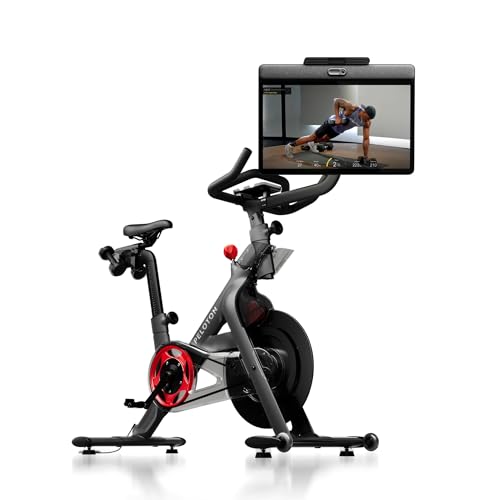 Peloton
 Bike+
Rotating 23.8 inch screen, auto-follow resistance, and Apple GymKit.
- Drive: Belt
- Resistance: Magnetic, digital auto-follow capable
Sources: Peloton Bike+ product documentation, Amazon listing specifications
Check price on Amazonor add to your Amazon cartKeiser M3i Indoor Cycle
Rear flywheel, magnetic resistance, and a commercial reputation, with no screen at all.
- Drive: Poly-V belt
- Resistance: Magnetic, gear lever with 24 gears
Sources: Keiser M3i product documentation, Amazon listing specifications (availability varies by seller)
Check price on Amazonor add to your Amazon cartOur recommendation
Buy the Bike+ if instructors, music, and a leaderboard are what make you ride; the machine serves the content. Buy the M3i if you already know how you train and want the finest mechanical ride with data on your own watch and apps, and no monthly bill. They are both premium; they are premium in opposite directions.
Where the money goes
Peloton spends it on a 23.8 inch rotating screen, auto-follow hardware, and an ecosystem you keep paying for. Keiser spends it on a magnetic rear drive, a Poly-V belt, and commercial build tolerances, once. Over three years the total cost gap widens in Keiser's favor; the experience gap widens in Peloton's, if classes are your thing.
Data and openness
The M3i broadcasts standard Bluetooth to apps including training platforms, and its console works with no account. The Bike+ keeps its rich metrics inside Peloton and adds GymKit for Apple users. Riders who log in third party tools should weigh this heavily.
Availability note
Both brands sell through Amazon at times with marketplace variation, the Keiser especially. Verify the seller, delivery terms, and warranty handling on the exact listing before ordering either at this tier.
Choose Peloton Bike+ if…
- Live and on-demand classes drive your consistency
- You want auto-follow resistance and a rotating screen
- You are invested in Apple GymKit and Peloton metrics
Choose Keiser M3i Indoor Cycle if…
- You self-coach or use Zwift and training apps
- You want commercial durability with minimal electronics
- You refuse a mandatory membership on principle and budget
FAQ
Questions, answered straight
Which ride actually feels better?
Most experienced riders give the M3i the edge for smoothness and calibration feel. Most class riders never notice, because the content carries the session. Both are quiet belt and magnetic bikes.