Fix it
Garage Gym Problems and Fixes: Rust, Wobble, Cold Bars, and a Cage That Rocks
Fix the common garage gym problems: surface rust on bars, cage wobble on uneven concrete, rower rail grit, plate storage sprawl, and winter grip failure.

Garage gym problems come from the building, not the brands: damp air, dusty concrete, temperature swings, and floors that were never poured flat. Work this list seasonally and most garage equipment outlives the programs bought for it. The fixes are small, scheduled, and cheaper than any replacement.
Barbell knurling shows surface rust
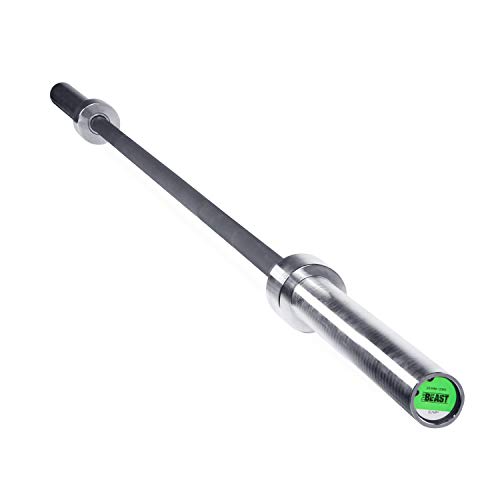
Brush the knurl with a brass or stiff nylon brush, wipe with a cloth carrying a thin film of light oil, and brush again the next day. Then change the environment that caused it: store the bar off the floor, keep chalk in a sealed tub, and add airflow after wet sessions. Rust on a working bar is a maintenance interval announcing itself, not a death sentence, and it rarely survives a monthly three-minute routine.
Power cage rocks on the concrete
Garage slabs slope toward the door by design, so a four-foot frame finds the unevenness. Level the surface first with the mat or tile layout, shim the low corner with a dense rubber shim rather than cardboard or wood, and confirm all frame bolts are evenly tight. A cage that rocks under pull-ups is telling you the floor's story; fix the interface, not just the bolts.
Rower seat feels gritty and the chain sounds dry
Wipe the monorail with a damp cloth, clean the seat rollers, and oil the chain per the maker's schedule with the specified oil type. In dusty garages, cover the flywheel end between sessions. If grit persists in the rollers after cleaning, inspect for a cracked roller rather than adding more oil to a failing part.
Plates and bars sprawl across the bay
Sprawl is a storage deficit, not a tidiness failure. Add plate storage pins to the cage or a compact tree, a wall hanger or corner holder for the bar, and a shelf line for dumbbells and bells. Then enforce the reset: the last set of every session is putting each piece in its drawn position, which takes under two minutes when the homes exist.
Winter grip fails on cold steel
Warm the lifter before blaming the bar: four minutes on the bike or rower, gloves for warm-up sets, and chalk applied to warmed hands. Keep a towel in the rotation for frost-slick bars on humid cold mornings. If grip still limits deadlifts, straps for top sets are a training tool, not a confession, and they keep winter programs on schedule.
Fan bike or cage hardware creaks develop
Creaks are loose interfaces reporting early. Work the piece's bolt list with the correct tools, snug in the maker's sequence, and recheck after the next session. A creak that survives a full torque pass at a welded joint is a warranty conversation; a creak at a bolted joint is a five-minute fix that should never reach a forum.
Still stuck? Compare the current top picks
Full ranked list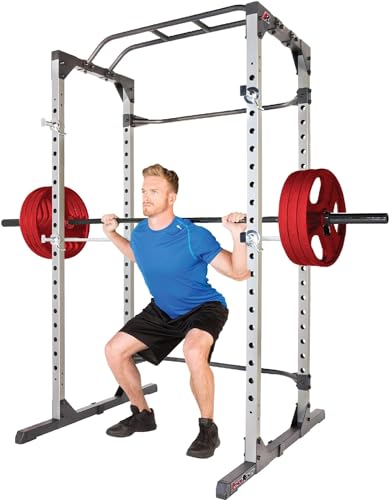
FAQ
Questions, answered straight
How often should a garage gym get a maintenance pass?
Monthly for the bar brush-down, rower chain check, and hardware snug pass; seasonally for floor, storage, and a rust inspection of every steel surface. Thirty minutes a month is the realistic budget, and owners who pay it report equipment that ages in years, not seasons.
Can I pressure wash or hose down garage gym equipment?
Floors yes, equipment no. Water driven into bearings, bushings, monitors, and knurling creates the rust and grit problems this page exists to fix. Wipe equipment down with a damp cloth and dry it; hose the tiles outside if they ever need it.
The garage door opener vibrates the cage during pull-ups. Fix?
The cage is likely touching the track's support path or standing where the slab transmits the opener's motion. Shift the cage off the track line, confirm no contact with wall framing shared with the opener mount, and most bays go quiet. Persistent transmission through the slab is solved by the tile layer under the cage feet.