Buying guide
Garage Gym Buying Guide (2027): Bay Layout, Ceiling Math, and Build Order
How to buy a garage gym: lay out the bay on paper with storage included, check ceiling and door track clearance, sequence cage, bar, plates, and flooring, and plan for cold, dust, and a car that may still live there.

Draw the bay before you spend
Sketch the garage to scale with everything that must stay: the car's true envelope with doors open, the workbench, the door swing, the opener track, and storage you cannot move. Then place stations, not products: an 8 by 8 ft cage station, a 9 ft rower lane, a dumbbell shelf, a plate home. Products that fit the stations are candidates; products that only fit their own spec-sheet dimensions are returns in waiting. This single drawing prevents more bad garage purchases than any review, including this site's.
Ceiling math, done with a tape and a hang test
Measure ceiling height where the cage will stand, then subtract the equipment height and test the human part: hang from a joist or a helper-held bar at the planned pull-up height and see where your head lands. Check the garage door track and opener rail, which cross many bays at exactly cage height. Overhead pressing needs the plate's top arc, not just the lifter's height. Five minutes with a tape now beats a cage that almost fits for a decade.
Top picks from our research
Full ranked list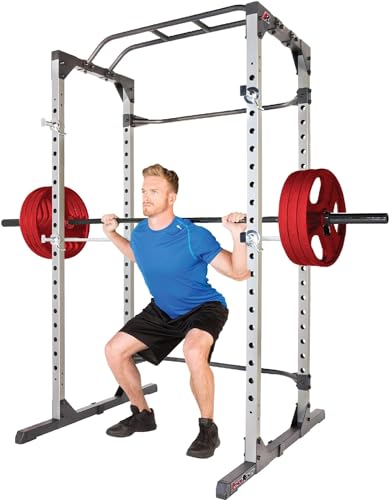
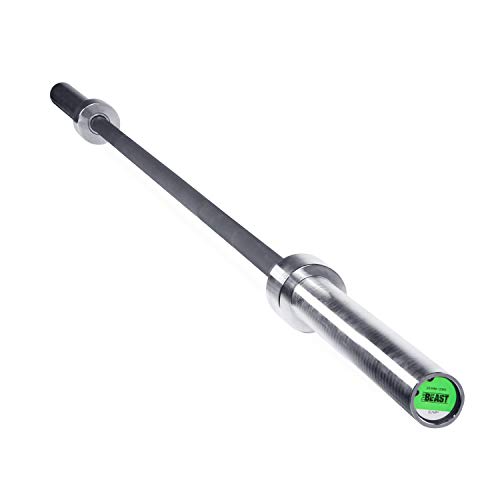
Spend in build order
Flooring for the lifting zone, cage, bar, plates, bench: that sequence unlocks the whole barbell program and every later piece attaches to it. Cardio second, because conditioning supports the lifting habit without defining it. Dumbbells and bells third, as variety the core has earned. Storage throughout, bought with each phase rather than after, because plates on pins and bars on hangers are what keep a working bay from becoming a hazard with good equipment in it.
Rate capacity and steel for your actual loads
Capacity figures are ceilings, not targets. Add your bodyweight to your honest three-year bar loads and buy headroom above that sum, then stop. Money spent doubling an unneeded capacity rating is money not spent on the plates and flooring that training touches daily. The exception is the bench, where lifter plus bar concentrates on a small frame; there, headroom is cheap insurance and this guide buys it deliberately.
Plan for the garage itself
Cold, dust, and humidity are line items. Budget a cover for electronics, a brush and oil for the bar, tiles or mats as insulation, and light you can train under at winter hours. If a car shares the bay, budget the stop guide and the storage that keeps its doors safe. A garage gym is a small building project wearing gym clothes, and the builds that admit it on paper are the ones still training in year three.
FAQ
Questions, answered straight
What does a complete garage gym cost if I stage it?
Stage it by phase rather than totaling it: the barbell core is the one real investment, cardio follows, and variety pieces arrive as small purchases across seasons. Staging also sequences learning; lifters who buy everything at once often discover their program wanted a different second phase than the catalog suggested.
Do I need to insulate or heat the garage first?
No. Floor tiles, a warm-up routine, and training layers carry most lifters through winter. Insulation and heat are comfort upgrades to buy after the gym proves it is permanent, not prerequisites that delay the first year of training.
How do I keep the garage gym from taking over the garage?
Assign every piece a stored position on the layout drawing and buy the storage that enforces it: pins, shelves, hangers, and the rower's corner. Gyms sprawl when pieces lack homes, not when owners lack discipline. A quarterly ten-minute reset against the drawing keeps the bay honest.