Fix it
Running Treadmill Problems and Fixes: Belt Heat, Slipping at Pace, Thumps, and Speed Sag
Fix running treadmill faults that appear under mileage: belt heating and slipping at tempo, per-revolution thumps, speed sag, incline noise, and shutdowns on long runs.

Running loads expose faults walking never finds. Heat, slip, and sag are the mileage trio, and almost all of them trace back to belt condition, lubrication, or tension. Work this list in order before suspecting the motor.
Belt slips at tempo or interval pace
Peak load slip means tension or friction is off. Confirm the belt is not over-lubricated, then raise tension a quarter turn per side, testing at the pace where it slipped. Persistent slip with correct tension means a worn belt or drive belt, which is a parts conversation.
Speed sags when you land or push off
First, lubricate and re-tension; a dry, loose belt mimics a weak motor. If sag survives both, check the speed sensor gap and cleanliness. True motor sag on a clean, correct belt is a warranty-level symptom on the machines in this hub.
Belt and deck get hot on long runs
Heat is friction, and friction is usually a dry deck. Lubricate on the mileage schedule, confirm the belt is centered (edge rub adds heat fast), and give the motor airflow: no storage bins against the hood, no thick carpet underneath.
Thump once per revolution at speed
Stop and inspect the belt seam and the deck surface along the full loop; a raised seam or embedded debris announces itself once per lap. A seam that has begun to split is a belt replacement, not an adjustment.
Incline grinds or shudders under load
Test incline empty: smooth empty and rough loaded points to a lift motor working at its limit, which deserves service. Rough in both cases, clean and inspect the lift screw area per the manual and check for a bent linkage from a past move.
Shutdown mid long run
Thermal protection after an hour-plus usually means heat buildup: dry belt, blocked vents, or a shared circuit browning out. Cool fully, lubricate, verify a dedicated circuit, and shorten the next session to confirm the fix before building back up.
Still stuck? Compare the current top picks
Full ranked list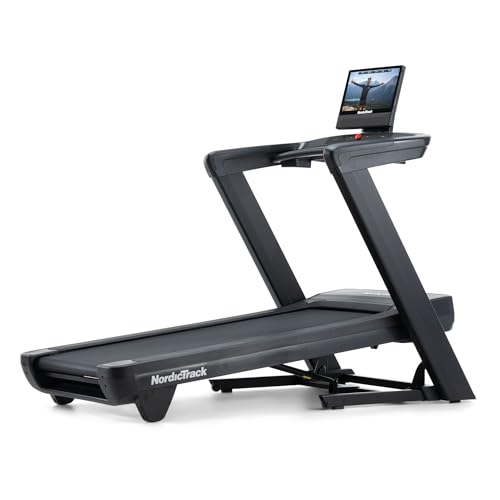
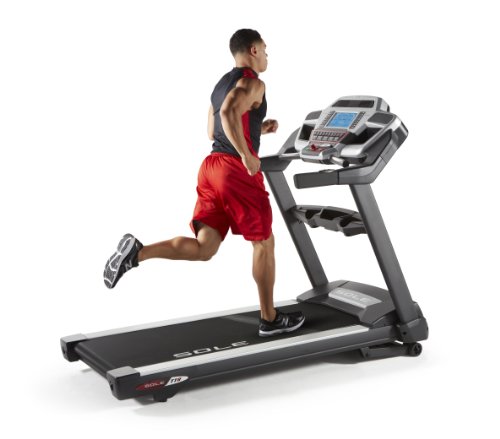

FAQ
Questions, answered straight
How often do runners need to lubricate?
By mileage, per the manual, which at marathon volume can mean every few weeks rather than the casual user's months. When in doubt, the finger test under the belt center (it should feel lightly slick, never dry or gummy) settles it.
When is a belt actually worn out?
Visible fraying at the edges, a seam lifting, burn-like glazing on the underside, or slip that tension cannot cure. Runner-class belts are consumables on a years scale at real mileage.