Buying guide
Running Treadmill Buying Guide (2027): CHP, Belt Math, Rollers, and Grade Ranges That Matter
How to buy a treadmill for running: size the motor and belt to your pace and weight, read roller and deck specs, and choose a grade range that matches your training.
CHP is a load rating, not a speed rating
A motor's job at running pace is to hold belt speed constant while a runner's full weight lands on it several times a second. Continuous horsepower measures exactly that stamina. The working ladder in this hub: 3.0 CHP serves lighter runners and moderate mileage, 3.5 CHP is the comfortable middle, and 4.0 CHP is the high-mileage and heavier-runner class. Peak HP figures, wherever printed, should be ignored entirely.
Belt math for real strides
At an easy pace most adults need the mid-50s in inches; at tempo and for anyone tall, 60 inches is the standard this hub enforces. Width matters as fatigue grows: 22 inches forgives lateral drift at mile fifteen, 20 inches demands tidier form. Measure your current stride honestly, ideally from a gym session, rather than trusting height charts alone.
Top picks from our research
Full ranked list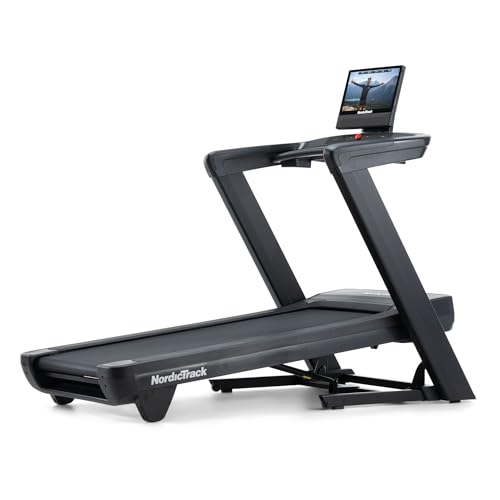
Rollers, the quiet spec
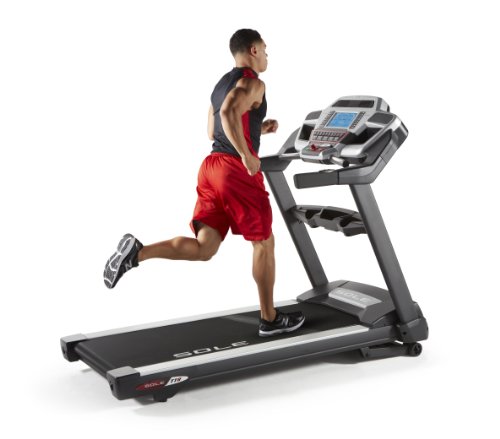
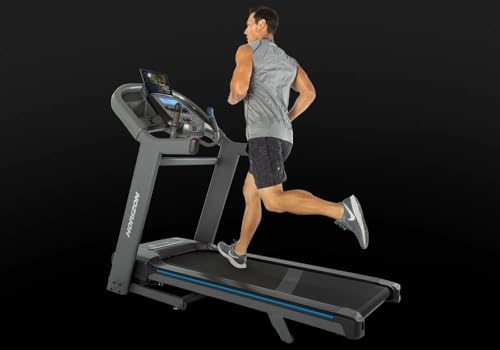
Larger diameter rollers turn the belt with less bending stress and less noise, and they are a durability tell: runner-class machines fit 2.5-inch-plus rollers, budget decks fit smaller ones and wear belts faster. Listings do not always print roller size, but brand documentation for the machines here does, and it is worth the lookup before money moves.
Grade range follows your terrain goals
Incline to 12% covers general hill work; 15% is serious climbing; 20% and the X22i's 40% are specialist tools. Decline is rarer and matters for course-specific marathon and trail prep, where downhill mechanics are a trainable skill. Buy the range your races need, not the biggest number on the page.
Cushioning, fans, and the long-run checklist
Deck feel is zoned versus uniform, described in our knee-fit micro guide without medical promises. For sessions over an hour, also weigh the unglamorous: a real fan or space for your own, a console that shows pace clearly at a glance, water within reach of the rails, and a mat under the machine. Long-run comfort is a system, and the treadmill is only its largest part.
FAQ
Questions, answered straight
Can a walking treadmill double as a running treadmill?
No, and the reverse is the safe direction: every machine in this hub walks beautifully. Short belts and sub-3.0 CHP motors are the hard limits, not marketing modesty.
Manual or motorized for speed work?
Motorized for repeatable, programmed intervals; manual curved (AssaultRunner) for maximal sprints and self-paced efforts where you are the governor. Many sprint-focused athletes prefer the curve; distance runners overwhelmingly choose motors.
How much capacity margin should I leave?
Buy at least 50 lb above the heaviest user's weight. Running loads are dynamic, and headroom in the rating tracks with frame and motor headroom generally.