Fix it
Suspension Trainer Problems and Fixes: Uneven Straps, Slipping Buckles, Twists, and Door Issues
Fix common suspension trainer problems: straps that will not level, buckles that creep, handles that rotate, anchor movement, and webbing wear checks.
Suspension problems are almost always setup problems wearing a disguise. Uneven pulling means uneven straps, a slipping set means a dirty or rushed buckle, and a wandering anchor means the door routine slipped. Run these checks in order before blaming the equipment, and inspect webbing monthly the way you would a climbing sling, because that is functionally what it is.
One side works harder on rows and presses
Your straps are uneven. Hang both handles side by side at rest and compare, then reset from the equalizer or top buckle rather than chasing small corrections at one side. Mark your common lengths once they are right, and the problem rarely returns.
Buckle creeps longer during a set
Webbing must sit flat and fully threaded through the buckle, with the tail pulled in the maker specified direction. Clean grit and chalk dust from the buckle, reseat the strap, and load it gradually. A buckle that still creeps with clean, flat webbing is worn and should be replaced before steep angle work.
Straps twist and handles face the wrong way
Untwist from the anchor downward with the straps unloaded, then coil the system in large loops for storage instead of stuffing it in the bag. Twists introduced in storage present as handle rotation during sets, so storage routine is the real fix.
Door anchor shifts or the door creaks under load
Stop and reassess the door. The anchor disc must sit flat and fully behind the door, the door must latch completely and close toward you, and your weight should load gradually on the first rep. Persistent creaking or flex means this door is not your anchor; move to a frame rated point, rack, or beam.
Handles rotate in sweaty hands
Dry the handles, chalk lightly if your flooring tolerates it, and check that you are gripping the handle rather than the strap junction. Rubber textured handles solve this structurally, which is the practical case for the commercial tier if the problem survives technique fixes.
Webbing shows fuzz, cuts, or stiff patches
Fuzz from normal abrasion is cosmetic; cuts, deep nicks, and sun stiffened sections are retirement signs on any load bearing strap. Replace the strap unit or the system. Never sew, tape, or knot a damaged suspension strap back into service under bodyweight.
Still stuck? Compare the current top picks
Full ranked list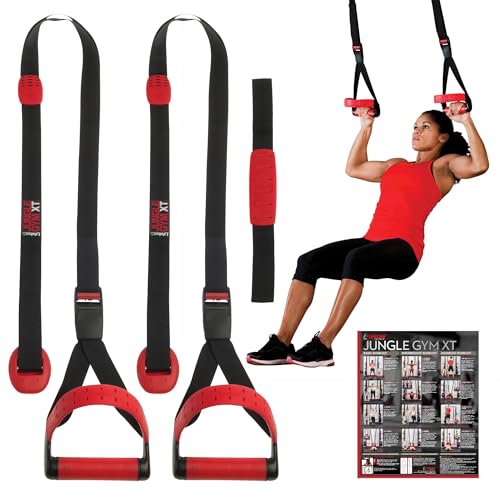
FAQ
Questions, answered straight
How often should I inspect my suspension trainer?
Monthly for home use, and before any session after travel, storage in heat, or a move. Run the webbing through your hands, check stitching at the handle and anchor loops, and cycle every buckle once.
Can I wash suspension straps?
Hand wash webbing in mild soap and water, rinse, and air dry away from direct heat and sun. Machine washing and dryers age webbing and hardware coatings faster than use does.
My feet slide during rows. Is that a strap problem?
No, it is friction. Wear shoes with grip, train on a mat, or reduce the angle until foot traction holds. Chasing a steeper angle than your floor allows is how suspension sessions end abruptly.