Buying guide
Small Apartment Home Gym Buying Guide (2027): Space Math, Noise Rules, and Storage Slots
How to buy a small apartment home gym: measure three storage slots before any product, budget noise like money, protect the floor first, and sequence dumbbells, bench, and cardio by training value per square foot.
Measure three slots before you shop
Every apartment has the same three storage slots: a floor patch for the active gym (the mat zone), a flat slot for folding pieces (under a bed, behind a door, inside a closet), and a shelf or drawer for the small tools. Measure all three and write the numbers down. Then shop against them. A bench is its folded panel, a treadmill is its folded thickness, and dumbbells are their tray or block footprint. Buyers who shop by in-use photos and discover the stored size at delivery are the returns this category is full of.
Budget noise like money
List your building's noise facts next to your budget: floor construction, a neighbor below or beside, quiet hours, and your training times. Then spend accordingly. Steel stacks on foam, walking pace belts, hydraulics, and bands are the quiet currency. Cast iron plate loading on hard floors, dropped anything, and running belts are expenses your situation may not afford, regardless of price. The best apartment gym is the one still in use after the first noise conversation, so design that conversation out of existence.
Top picks from our research
Full ranked list
Protect the floor first, literally first
Order the mat before the weights. It defines the gym zone visually, which keeps a living room livable; it absorbs the contact sounds that travel; and it is the deposit protection a renter cannot retrofit after the first scuff. Foam tiles suit dumbbell and bodyweight work. If your plans grow toward heavier deadlift style training indoors, graduate the hinge area to rubber tiles and keep foam for the rest.
Sequence by value per square foot
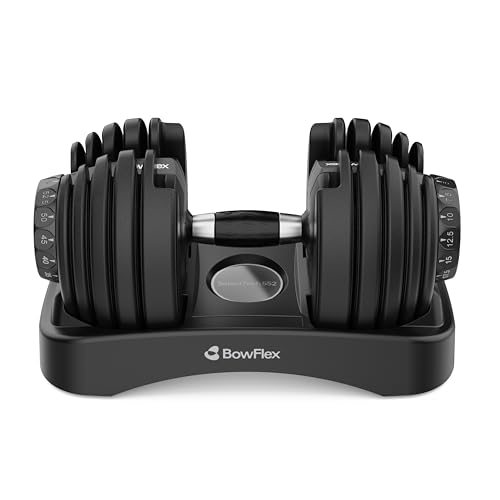
The order that works: mat, then the dumbbell pair (the entire strength program in one square foot), then the folding bench (which multiplies the pair's exercise list), then storable cardio, then the small specialists like the kettlebell and bands. Each step should earn its storage slot by weekly use. If a piece will not be touched three times a week, its slot belongs to a piece that will, and apartment gyms stay leaner and better used for it.
Plan the move-out on day one
An apartment gym is temporary architecture. Prefer pieces one person can carry down stairs, systems whose parts nest or tray together, and nothing that needs patching, mounting, or a second pair of hands to remove. Photograph floors at setup. Keep boxes for the two most fragile items if storage allows. The gym that leaves cleanly is the gym a landlord never mentions, and that is the standard this category should be bought to.
FAQ
Questions, answered straight
What should a first apartment gym cost in total?
Stage it rather than totaling it: mat and bands start the training, the dumbbell pair is the one significant purchase, and the bench and cardio follow as budget returns. Staging also protects you from buying cardio you will not use; prove the strength habit first, then fund the piece that supports it.
Foam or rubber flooring for an apartment?
Foam for dumbbell, bench, band, and bodyweight work: light, quiet, cheap, and kind to finishes. Rubber where loads get heavy or hinges get repetitive, accepting its weight and cost. Many apartment gyms run foam everywhere and one rubber strip where deadlift style work happens.
How do I handle a noise complaint that already happened?
Apologize, then change the physics, not just the volume: add the mat layer, move training times, remove the specific impact, and tell the neighbor what changed. Most complaints are about one repeated sound. Remove that sound demonstrably and apartment gyms and neighbors coexist fine.