Buying guide
Rowing Machine Buying Guide (2027): How to Choose the Best Rowing Machine for Your Home
How to choose the best rowing machine: resistance systems compared, monitor quality, rail and seat fit, noise by construction, storage, and subscription math.

Start with resistance, because it is the rowing
Air rowers, led by the Concept2 RowErg, scale resistance with your effort and support serious training at any level, at the cost of fan noise. Water rowers scale the same way with a smoother, quieter feel and a tank to maintain. Magnetic rowers set a level in advance, stay nearly silent, and eventually cap strong rowers. Electromagnetic connected rowers let software shape the feel and stay quiet, in exchange for a plug and usually a membership. Decide which behavior matches your home and your ambition before looking at screens or prices. Semrush data behind this hub shows how to choose the best rowing machine drawing steady search interest at 480 a month (KD 24), and resistance is where that choice is actually made.
Fit the rail to your legs, and the seat to your life
Rail length must cover your inseam with room to spare at full compression, or every stroke ends early and your form pays for it. Seat height decides how easily you get on and off: low budget rails sit around 11 to 12 inches, the standard RowErg at 14, and tall or comfort models near 20. If knees or hips make low seats a project, seat height is not a detail; it is the purchase.
Top picks from our research
Full ranked list
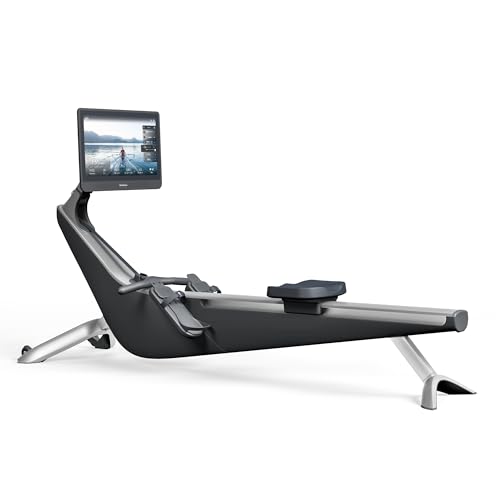
Monitors: measuring tools versus mirrors
A performance monitor reports pace, watts, and stroke rate accurately enough to repeat a workout next month and compare it honestly. That is the PM5 standard. Basic LCDs count time and strokes and are fine for habit rowing. Big touchscreens sell content and coaching, which can be worth more than data to the right buyer. Know which of the three you are paying for.
Noise, floor, and storage as one decision
Measure your room for the rowing footprint, about 9 by 4 ft, then measure again for the stored footprint, because you will see the stored one most of the day. Match resistance type to your building: magnetic and electromagnetic for thin walls, water for shared rooms, air for garages and tolerant households. Add a dense mat to every plan; it protects floors, calms vibration, and keeps a standing rower from creeping.
Total cost, including the invisible parts
Add the machine, the mat, any membership across your realistic ownership horizon, and the consumables: chain oil, water tablets, batteries, a seat pad if long rows are planned. Then weigh the exit: machines with open parts support and strong resale, the Concept2 pattern, forgive a change of mind cheaply. A rower you can sell is a safer experiment than a rower you can only store.
FAQ
Questions, answered straight
How long should a first rowing session be?
Shorter than your enthusiasm suggests. Ten to fifteen minutes with attention to stroke order, legs, then body swing, then arms, builds the habit and the form together. Most home rowers who last add time weekly, not daily.
Is rowing low impact?
The stroke is seated with feet planted, so there is no landing impact of the kind running involves, while load travels through legs, hips, back, and shoulders in sequence. That describes the movement only. Anyone managing a specific condition should clear volume and intensity with their clinician.
What is the single most common buying mistake?
Choosing by screen or sale price before checking rail fit and noise. A rower that fits your body and your building gets used; a bargain that cuts your stroke short or wakes the house becomes storage with a handle.