Fix it
Push-Up Board Problems and Fixes: Sliding Boards, Loose Handles, Wrist Ache, and Stalled Reps
Fix common push-up board problems: boards that skate on hard floors, handles that rock in slots, wrist discomfort on fixed grips, and progress stalls.
Board problems are small, mechanical, and fixable: a skating base, a handle that starts to rock, a grip angle your wrists vote against. Work this list before replacing equipment, because most push-up board complaints trace back to flooring, slot debris, or a stance that needs adjusting rather than a failed product.
Board slides or skates during sets
Put a thin, dense exercise mat under the whole board and clean dust from the board feet. Check that all feet or panels sit flat; a board rocking on one high corner will walk under load. On very slick tile, mat plus slower eccentrics ends the skating entirely.
Handles rock or feel loose in their slots
Remove the handles and inspect the slots for grit, chalk, or hair, then reseat with a firm push until the handle base is flush. Rotate which slots you use most to spread wear. Handles that still rock in a clean slot have worn posts or slots; contact the maker for replacement handles before training hard sets on them.
Wrists ache even on the board
Move from straight slots to angled positions if your board offers them, check that your hands sit fully on the grips rather than half on the board, and shorten sets before form degrades. If ache persists across angled grips, switch to rotating handles or get the wrist assessed; do not grind through joint pain for a rep target.
Board flexes or creaks under your weight
Confirm you are on hard flat flooring, not carpet or a warped surface, and center your stance over the board strongest span rather than the extreme edges. Persistent flex on the right floor means the board class is under your training weight; a rigid premium board is the structural fix.
Reps have stalled for weeks
Change the stimulus before changing the equipment: slow the lowering phase to three seconds, pause at the bottom, elevate your feet, or rotate to a harder position for top sets. Boards stall when every session is identical, and the position system exists to prevent exactly that.
Handles are hard to remove after a workout
Sweat and dust bond handles into slots. Rock the handle gently along the slot axis rather than prying sideways, clean both post and slot, and store handles unplugged if your board routine allows it. Never use tools on plastic posts; a cracked post ends the handle.
Still stuck? Compare the current top picks
Full ranked list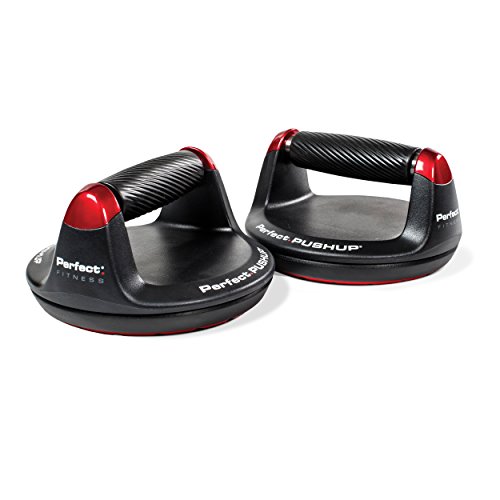
FAQ
Questions, answered straight
Can I use a push-up board on carpet?
Thin, firm carpet over a hard floor can work with a mat, but deep pile tilts handles and lets boards migrate. If your only training surface is plush carpet, rotating handles with wide bases or an incline setup will behave better.
How do I clean plastic boards and grips?
Wipe with a damp cloth and mild soap, dry fully, and keep solvents away from printed position markings. Clean slots monthly if you train daily; grit in slots is the hidden cause of half the loose handle complaints.
One handle sits higher than the other. What now?
Check for debris under one handle base and confirm both handles are in mirrored slots, an easy mistake on color charts. If heights still differ with clean, matched slots, contact the maker; do not train asymmetric pressing on a faulty base.