Buying guide
Push-Up Board Buying Guide (2027): Positions, Angles, Stability, and Honest Counts
How to buy a push-up board: translate position counts into real stances, choose fixed, angled, or rotating handles, judge stability for your size, and match storage to your home.
Translate the position count before anything else
Take the advertised number and divide your expectations down to stances: wide, standard, narrow, and a couple of angled variants, mirrored left and right. That short list is what you will train for years. A board that executes those five stances with tight handles beats a board advertising thirty combinations with loose ones. When a listing shows the slot map, trace your actual weekly positions on it.
Fixed, angled, or rotating: the wrist decision
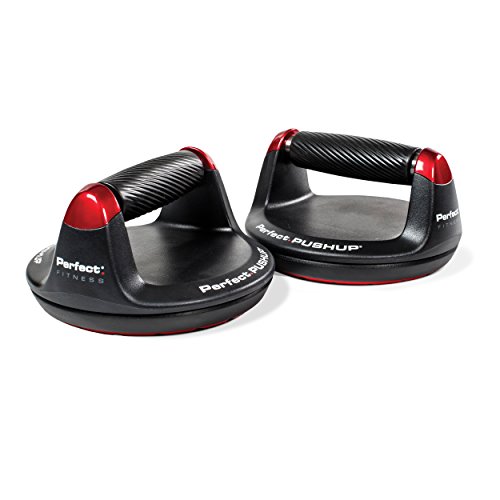
Any elevated handle improves wrist angle versus the floor. Fixed straight handles suit most users and give boards their repeatability. Angled slots serve shoulders that dislike a straight bar path. Rotating handles abandon the board entirely and let joints self select. Buy in that order of intervention: elevate first, angle if needed, rotate if fixed angles still complain.
Top picks from our research
Full ranked list
Stability scales with the user
Board flex and slot play are bodyweight relative. A board that feels rock solid to a 140 lb trainer can feel alive under 230 lb. Heavier users should read feedback filtered by size, prefer rigid or premium constructions, and always train boards on a mat over hard, flat flooring. Handle diameter matters too: thin grips concentrate pressure across long sets.
Storage and setup decide consistency
The best push-up system is the one set up in under a minute from where it lives. Folding boards lean in closets, two panel designs slide under beds, handles hide in drawers, and rigid premium boards demand a permanent corner. Measure your actual storage spot and be honest about whether a daily unfold routine will survive a busy month.
When a board is the wrong purchase
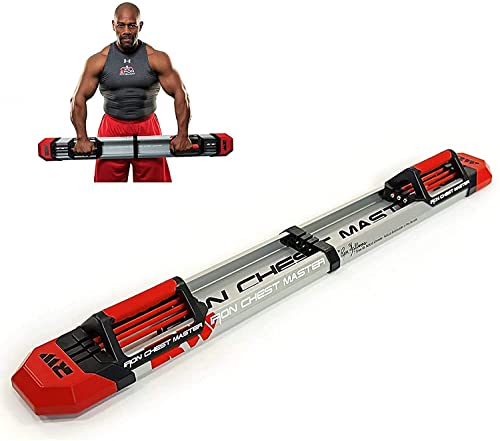
If your push-ups already exceed 40 strict reps and load is the goal, a weighted vest, resistance system like the Iron Chest Master, or dumbbell pressing serves better than any board. If wrist pain persists on handles, the next step is assessment, not a fourth grip gadget. Boards organize and vary bodyweight work brilliantly within those honest borders.
FAQ
Questions, answered straight
What floor is best for a push-up board?
Hard, flat flooring with a thin exercise mat under the board. Carpet lets boards wander and tilts handles; slick tile invites skating. The mat is the cheapest stability upgrade in this category.
How wide should the outer positions be?
Wide enough that your widest comfortable stance sits inside the outer slots with handle room to spare. Measure your floor push-up hand span and compare it to the board outer slot span on the listing before ordering.
Do boards help build a home chest program alone?
They anchor one well: position rotations, tempo work, and volume ladders cover months of progression. Pair the board with rows or bands for back balance, because pressing alone is an incomplete upper body plan.