Fix it
Pull Up Assist Problems and Fixes: Band Twist, Too Much Help, Stalled Progress, and Stirrup Slip
Fix the common pull up assist problems: bands twisting or rolling off the foot, help that stalls progress, stirrups that slip, bands that snap back, and setups that swing.
Assist systems fail politely: nothing breaks, the reps just quietly stop improving, or the setup feels sketchy enough that sessions get skipped. Both problems are fixable, and most of them trace to sizing, placement, or a hitch that was never quite right. Work this list before buying different gear.
Band twists on the bar or rolls off the foot
Re hitch the band flat with a clean girth hitch, both sides even, and pull the loop fully through so it cannot walk sideways. Under the foot, place the band across the mid foot rather than the toes, keep light tension on it while mounting from a step, and never let a loaded band sit under a heel edge where it can skate off.
Reps feel easy but unassisted attempts never improve
The help is not being reduced, which is a programming fault the equipment cannot fix alone. Drop one step this week even though reps fall, add slow negatives after your assisted sets, and test a single unassisted attempt fresh at the start of one session weekly so progress has a measurement, not a feeling.
Stirrup or pedal slips or swings during sets
Check strap length first: a stirrup set too long lets the body swing like a pendulum, too short cramps the hang. Shorten until the body hangs plumb under the bar, brace the core before each set, and let the swing die fully between reps instead of chasing a rhythm the rig cannot support.
Band snapped or shows a nick at the hitch point
Retire that band immediately. Hitch point wear comes from rough bar knurling, sharp rack edges, or a hitch tightened over grit. Protect the next band by hitching to a smooth section of bar, keeping the contact area clean, and rotating which section of the loop takes the hitch across sessions.
Help feels strong at the bottom and useless at the top
That curve is normal for bands, and it is partly a feature, but if the top half is where you stall, reduce total help and add top half partial reps and pauses just below the bar as accessory work. A smaller band plus honest top end work beats a bigger band carrying you through the range you most need to own.
Assistance differs between home and gym bars
Bar height changes band stretch, and stretch is the assistance. A taller bar stretches the same band further and helps more, which is why your level at the gym feels wrong at home. Re test your working level on each bar once and note it; the ladder travels, the exact settings do not.
Still stuck? Compare the current top picks
Full ranked list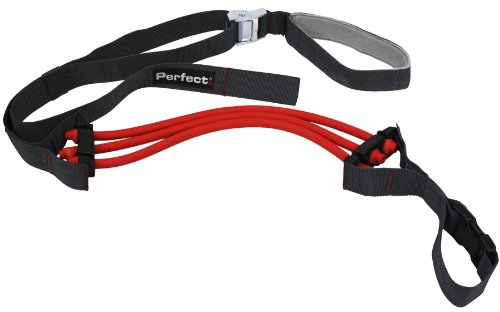
FAQ
Questions, answered straight
Is it normal for the band to creak or make noise?
Light latex noise at high stretch is common and harmless. Grinding, popping, or any sound paired with visible damage is a stop and inspect signal, and the band is retired if the source is a nick or tear.
My assisted reps swing my body forward at the bottom. Why?
Usually the band is anchored ahead of your hang line or your feet leave the band unevenly. Hitch the band so it hangs plumb where your body hangs, start each rep from a still dead hang, and let the band settle before pulling.
When should I stop using assistance entirely?
When you own several clean unassisted reps, shift main sets to unassisted work and keep assistance for high volume back off sets. The gear graduates from teacher to training partner rather than being discarded.