Buying guide
Pull-Up Assist Buying Guide (2027): Sizing Help, Formats, Stepping Down, and Bar Safety
How to buy pull up assistance: size help from current reps, choose bands versus a stirrup or pedal system, plan the step down ladder before the first purchase, and check the bar before the band.
Size help from reps, not from weight charts alone
Bodyweight tables are a starting guess, nothing more, because two people of identical weight can need wildly different help. Test honestly: how many full pull ups can you do today, how many half reps from the top, how long can you hang. Zero full reps with a weak hang points to the heavy end of a ladder or a system. A few ugly reps point to the middle. One clean rep with failed doubles points to the light end and fine steps. Buy the ladder that has your honest answer in its middle, so the same purchase contains your next two steps down.
Bands, stirrup, or pedal: the format decision
Long loop bands are the economical, portable, dual purpose choice, and they ask for balance and a small entry skill. Stirrup systems trade the bands second life for comfort and a centered line of help, suiting true beginners and shared household bars. Pedal systems maximize help and stability for heavier users at the cost of the most hardware. There is no format that wins all three virtues, which is why this guide ranks by user stage rather than pretending otherwise.
Top picks from our research
Full ranked list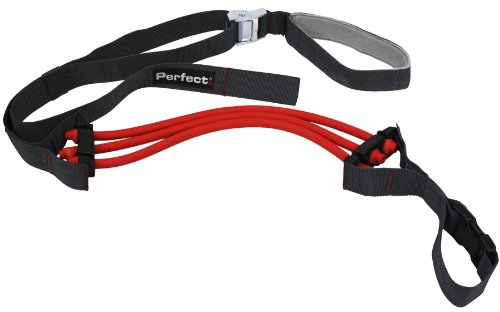
Plan the whole ladder before buying
Assistance you cannot reduce becomes a crutch with good marketing. Before buying, name your step down path: which band, placement change, or removed tube takes you from today's help to half of it, and from there to a token amount. Sets and multi band systems contain that path in the box. Single band buyers should price the next band down at the same time, because the day you need it is the day your motivation is highest and a delivery wait hurts most.
Use placement as a hidden progression step
A foot in the band gives the most help and the straightest line. A knee in the band gives noticeably less and demands more body control. Moving from foot to knee on the same band is a real progression step that costs nothing, and it doubles the useful steps inside any band set. Stirrup users get a smaller version of the same trick by shortening how fully the foot drives through the stirrup during the easiest phase of the rep.
Bar safety and band inspection come first
The bar carries you plus the systems hardware dynamics, so its rating and mounting outrank every band spec: a bar that shifts during unassisted hangs is not ready for assisted training. Doorway bars must be seated and checked, rack and wall bars are the calmer standard. Bands themselves get a pre session look for nicks, worn hitches, and damaged covers, and any band that fails inspection is retired, not demoted to lighter duty, because assistance bands work at high stretch where small damage grows fast.
FAQ
Questions, answered straight
Will assisted pull ups actually lead to a real one?
Yes, when the help is reduced systematically. Assisted reps build the exact muscles and pattern at full range, which partial reps and lat pulldowns only approximate. The programs that fail are the ones that never step the help down.
How many assisted sessions a week make sense?
Two to three focused sessions suit most beginners, with hangs or negatives kept short and frequent if desired. Assistance lets you accumulate quality reps; recovery still decides how much of that volume turns into strength.
Is a pull up assist worth it if my gym has an assisted machine?
For home training, obviously yes. Even with gym access, a home band or system wins on frequency: short daily practice at home progresses the skill faster than one machine session a week for most learners.