Fix it
Medicine Ball and Slam Ball Problems and Fixes: Splits, Leaks, Grip, and Bounce
Fix common ball problems: seam splits, fill leaks, lost grip, unexpected bounce, out of round wall balls, and cover damage, plus when to retire a ball.

Balls fail in boring, predictable ways, and most problems announce themselves early if you know where to look. Work through these fixes in order, and treat any ball with exposed fill or a burst seam as retired, not repaired, if you throw it at full force.
Slam ball is leaking fill or dust
Stop using it for slams. A leaking seam or valve will only open wider under impact, and fill on the floor is a slipping hazard mid workout. Small valve leaks can sometimes be reseated per the maker instructions; a split shell is the end of the ball's slam life, whatever the internet suggests about tape.
Medicine ball seam is opening
Retire it from throwing. Stitched covers under throwing load do not heal, and a ball that bursts mid throw sprays fill at the worst moment. Demote it to slow core work only if the opening is tiny and stable, and replace it before it goes back on wall duty.
Ball has gone slick and hard to grip
Wash the shell with warm water and a drop of mild soap, rinse, and dry fully; chalk, dust, and skin oil build up into a glaze. Store it clean rather than chalked. If a rubber ball has worn genuinely smooth, grip aids will not restore texture, and fast throwing work calls for a replacement.
Slam ball bounces more than it used to
Check what changed. A harder floor, a drop in fill through a slow leak, or a ball that was never a true slam ball all produce this. Weigh the ball against its label; a light reading points to lost fill. A ball that rebounds toward your face gets retired from slamming, full stop.
Wall ball feels lopsided or out of round
Roll it on a flat floor and watch for a wobble, and squeeze around the panels for a soft or heavy spot. Uneven fill from a hard life can sometimes be worked back toward even by hand. A pronounced heavy spot makes catches unpredictable at head height, which is reason enough to replace it.
Cover is scuffed, cracked, or sun damaged
Scuffs are cosmetic; cracks are structural. Move storage out of direct sun and away from heaters, clean the cover, and inspect cracks at every session. Cracked rubber and dried, splitting covers fail under load without further warning.
Still stuck? Compare the current top picks
Full ranked list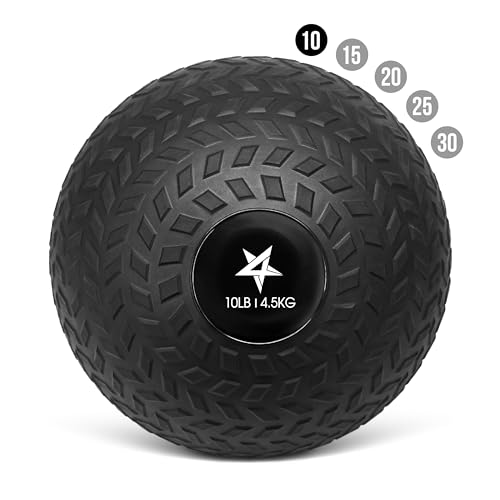
FAQ
Questions, answered straight
Can I repair a split ball with tape or glue?
For a ball used gently for core work, a patch can extend its life. For any ball thrown hard at a wall or floor, no repair restores the original seam strength, and the safe answer is replacement.
How long should a ball last?
Used for its intended job, on sensible surfaces, a quality ball lasts years. The lifespan killers are wrong type use, bare concrete, outdoor storage, and sun, in roughly that order.