Buying guide
Medicine Ball, Slam Ball, and Wall Ball Buying Guide (2027): Pick the Type First
How to buy the right ball: bounce behavior, shell material, diameter by weight, grip texture, and seam construction explained without the marketing.
Step one: name the bounce you need
Every purchase in this category starts with one question: should the ball come back? If you throw against a wall or to a partner, yes, buy a medicine ball. If you throw it at the floor as hard as you can, no, buy a slam ball with a dead bounce. If you throw it up to a target and catch it, buy a wall ball, where the large diameter is the feature. Brands blur these labels constantly, so judge by the description of the bounce, not the name in the title.
Shell materials, translated
Solid rubber medicine balls are seam free, cheap, and wipe clean, with grip as their weak point. Stitched synthetic covers grip best and fly truest, and their seams are the wear point. Leather style covers are the traditional feel pick and want dry indoor care. Slam ball shells are thick molded rubber or PVC style material built to spread floor impact. Wall ball covers are soft and padded because the ball is meant to meet your hands, arms, and occasionally your face at speed.
Top picks from our research
Full ranked list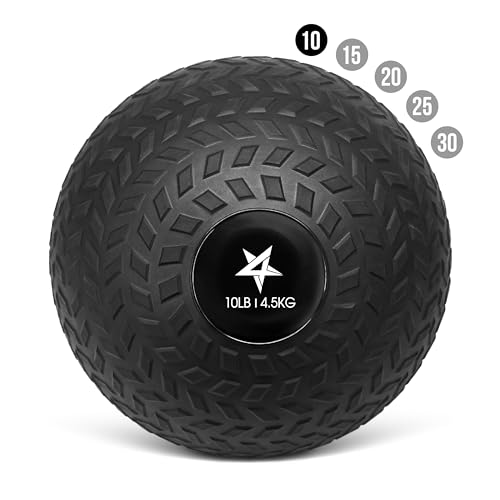
Diameter is a fit spec, not trivia
A 14 in wall ball and a 9 in medicine ball can weigh the same and train completely differently. Large diameters spread the catch across both hands and forearms; small diameters concentrate grip in the fingers. Diameter also grows with weight in most medicine and slam ball lines, so the 30 lb version of a ball you liked at 10 lb will feel like a different object. Check the diameter at your weight, not at the weight in the photo.
Grip texture and seams under real use
Tread patterns and pebbled covers earn their keep in the last set, not the first. Smooth balls are fine for slow core work and a menace in fast circuits. For stitched balls, look for double stitching and even panel tension; for slam balls, look at the valve area and any molded seam, because that is where owner reported failures concentrate. No ball in this category is immortal, but the failure points are predictable, and you can inspect for them.
How many balls, in what weights
Most home gyms need at most two balls per type, and most need one. A sensible pattern: one mid weight medicine ball for throws and core work, one slam ball at your honest working weight, and a wall ball only if wall ball shots are actually in your program. Buying a full weight run because a rack looks good in photos is the most common waste of money in this category.
FAQ
Questions, answered straight
Are expensive balls actually more durable?
Usually, in the specific places failures happen: stitching quality, shell thickness, and fill balance. The difference shows after months of the intended use, not in the first week, which is why matching type to training matters more than price tier.
Can one ball do all three jobs?
A large diameter medicine ball can cover medicine ball work and light wall ball work acceptably. Nothing covers slamming except a slam ball. If slams are in your program, budget for the second ball.
How do I store them?
Off the floor on a low rack or in a corner bin, out of direct sun, and away from anything sharp. UV and heat age rubber and covers faster than training does.