Fix it
Leg Press Problems and Fixes: Carriage Noise, Uneven Travel, and Stop Issues
Fix common leg press problems: carriages that grind or wobble, sleds that travel unevenly, safety stops that slip, pads that shift, and plate horns that rattle.

A sled in good health is quiet, level, and boring under load. New noises and movements are the machine reporting early, when fixes are cleaning and tightening rather than parts. Work through this list with the carriage unloaded, and never troubleshoot a sled from underneath a loaded footplate.
Carriage grinds or feels gritty through the stroke
Clean the rails or tracks along their full length; grit embeds exactly where rollers pass most. Inspect each roller or bearing by hand for flat spots or roughness, and replace any wheel that no longer spins freely. Grit ignored becomes rail wear, which is the expensive version of this fix.
Sled travels unevenly or twists slightly
Check that plates are loaded evenly on both horns and that the frame is level and square on the floor. Then inspect carriage rollers for one worn or seized unit, which lets the sled crab sideways under load. Uneven plate loading is the most common cause and the easiest to miss.
Safety stop slips or will not hold position
Remove the stop pin or handle and clean the hole and pin of dust and paint wear, then confirm it passes fully through both sides of the bracket. A stop that rests half seated is not a stop. Replace bent pins immediately; they are cheap and structural.
Back pad or seat shifts during sets
Re torque pad mounting bolts and check the adjustment track for elongated holes or worn teeth. Pads take shear force on every rep of hack mode especially, so treat pad hardware as a monthly checklist item rather than a one time assembly step.
Plate horns rattle or plates walk outward
Use proper spring or lock collars on the loading horns during sets, not just on barbells. Walking plates change the load balance mid set and mark the start of carriage twist complaints, so collar discipline on the sled matters as much as on a bar.
Still stuck? Compare the current top picks
Full ranked list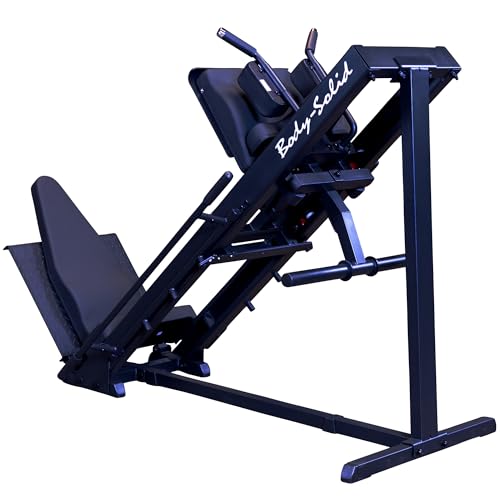
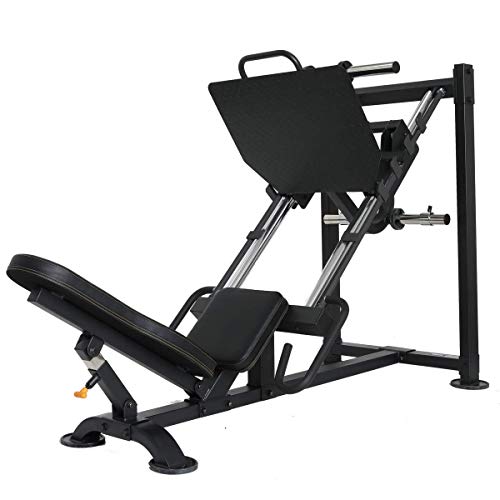
FAQ
Questions, answered straight
How often should rollers or bearings be replaced?
By condition: a roller that wobbles, flats, or grinds after cleaning is done. Under home use and clean tracks, quality carriages run for years before any wheel needs attention.
Can I lubricate the sled rails?
Only as the manual specifies for your carriage type. Bearing systems usually run clean and dry or with a specified light treatment, while excess oil on any rail collects the grit that causes the next problem.
The sled is loud at the turnaround. Should I worry?
A soft mechanical sound at direction change is normal on roller systems. A bang suggests stops or carriage contacting the frame early, which means check stop settings and carriage travel limits before the next heavy session.