Buying guide
Leg Press Buying Guide (2027): Angles, Carriages, Capacity, and Plate Math
How to buy a home leg press: choose the sled angle or vertical format, read capacity against your plate stock, compare carriage systems, and set safety stops correctly.

Choose the format before the brand
Forty five degree sleds are the home standard for capacity, comfort, and hack combinations. Vertical presses exist for rooms and budgets that cannot host a sled, and they train legs with a different feel and entry routine. Decide the format with your floor plan and your honest training taste first; brand comparisons only make sense inside a format.
Capacity is a plate problem too
A 1,000 lb rating needs roughly that weight in plates to use, and on real horns it needs them in iron. Add up your current plate stock, price the shortfall, and include it in the machine comparison. Many buyers discover the plates cost as much as a tier jump, which is the right moment to decide which tier they truly belong in.
Top picks from our research
Full ranked list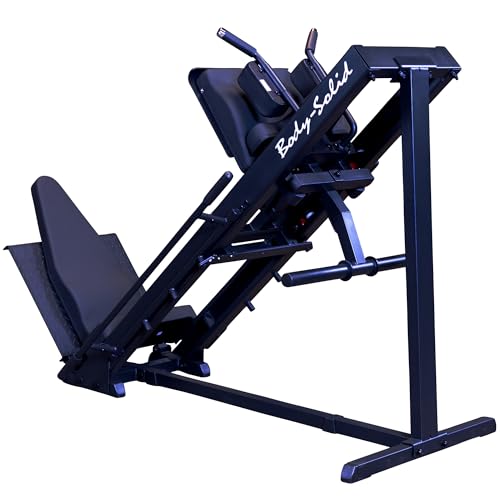
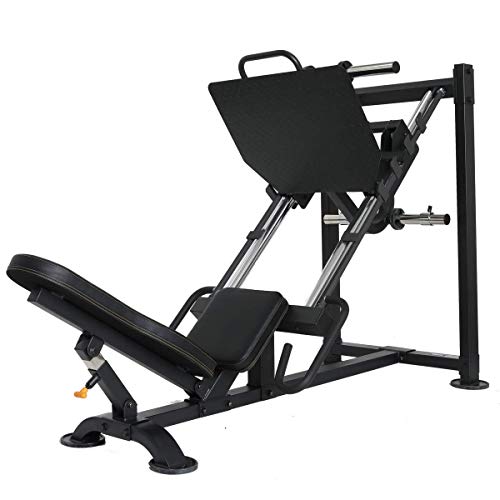
Carriage systems in plain terms
Linear bearings glide the smoothest and ask for clean rails. Quality roller systems run a close second and forgive garage conditions. Simple wheels and bushings work at budget prices with more noise and feel. None is unsafe at rating; the difference is the daily experience across thousands of reps, so match the system to your sensitivity and your housekeeping.
Safety stops and solo training
Home leg training is usually solo training. Adjustable stops that can be set just below your working depth are the mechanism that makes heavy sled work responsible alone. Check stop range against your limb length during warm ups on any machine, and treat a model with poorly placed stops as a model to skip, whatever its rating.
Footplate and pad fit
Stance variety is programming variety: high wide, low narrow, single leg. An oversized textured plate enables all of it. Back pad angle and seat adjustment decide hip comfort at depth, which varies by body in ways spec sheets cannot settle; prioritize models with adjustment range and a returns friendly seller when your hips have opinions.
FAQ
Questions, answered straight
Is a leg press worth it if I already squat?
For volume, joint friendly overload, and training legs when the back is fatigued, yes: that is exactly the role it plays in serious home programs. It replaces squats only for lifters whose backs or circumstances ask it to.
How thick should the floor protection be under a sled?
Heavy stall mats or a lifting platform section under the frame spread load and silence the machine. A loaded sled plus plates can exceed half a ton in one footprint, so ground floor placement is the default.
What maintenance does a sled need?
Monthly: wipe rails or tracks, check roller or bearing condition, re torque conversion and stop hardware, and inspect plate horn welds visually. Ten minutes keeps a sled feeling new for years.