Fix it
All-in-One Home Gym Problems and Fixes: Cable Fray, Sticky Smith Bars, Stack Noise, and Rod Care
Fix common all-in-one gym problems: cables that fray or jump pulleys, Smith bars that stick or tilt, weight stacks that clank and bind, squeaking stations, and weakening resistance rods.

Multi station machines concentrate wear into a few shared parts: cables, pulleys, guides, and bearings carry every station's work. That is good news for maintenance, because a short inspection list covers most of the machine. Work through these checks at the first new noise or change in feel, since cable and guide problems grow from cheap to expensive on a predictable schedule.
Cable is fraying or jumping off a pulley
Stop using that station. A frayed cable is replaced, never repaired, and the replacement is a standard part on established brands. Check the pulley it jumped for a cracked rim or a bent bracket, because cables usually leave the track for a reason, and a new cable on a damaged pulley will follow the old one.
Smith bar sticks or travels unevenly
Unload the bar fully and clean the guide rods with a dry or manufacturer approved cloth; grit is the usual cause. Check that both sides sit at matching hook heights and that no storage plate is fouling travel. Bars that still bind after cleaning need bearing or bushing service before heavy use resumes.
Weight stack clanks, binds, or will not select the top plate
Inspect the selector pin for bending and the guide rods for dryness or debris, and confirm the cable length has not stretched enough to leave slack at rest. A pin that enters only part way is a stop signal: replace the pin and check the top plate bushings rather than forcing selection.
Station squeaks or feels rough mid rep
Isolate the joint by working the station slowly unloaded. Pivot bushings and pulley bearings are the common sources. Follow the manual's lubrication points exactly; fitness cables and belts are damaged by the wrong sprays. Roughness that localizes to one pulley usually means its bearing is done.
Power Rods feel weaker than they used to
Rods fatigue over years of full bends, and a rod that no longer returns to straight at rest is telling you its story. Rotate which rods carry the most used resistance ranges, store the machine out of extreme heat, and replace tired rods in the combinations your press work uses most.
Still stuck? Compare the current top picks
Full ranked list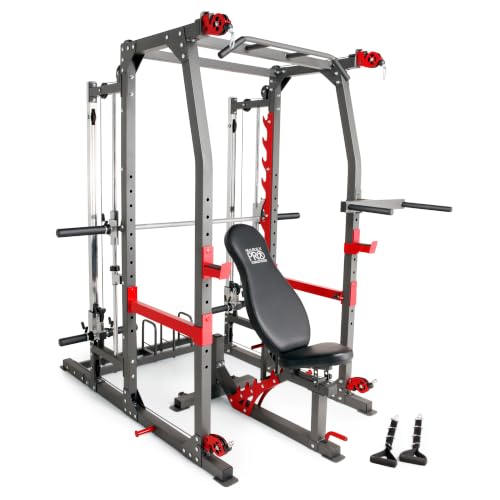
FAQ
Questions, answered straight
How often should cables be inspected?
Run a hand along accessible cable runs monthly, feeling for frays, flat spots, or cracked coating, and look at pulley contact points under good light. Home use stretches intervals, but cables are the one part whose failure is sudden, so the habit is cheap insurance.
Can I replace cables and pads myself?
On most established brands, yes, with the manual's routing diagram photographed before removal. Route the new cable exactly as the old one ran, photograph pulley order, and test the station unloaded through its full travel before loading it.
My glide board or seat rollers feel gritty. What helps?
Clean the rails first; chalk and garage dust are usual suspects. Inspect rollers for flat spots from long storage in one position. Replacement roller sets are inexpensive on the major bodyweight brands and restore the original glide feel completely.