Buying guide
Walking Pad Buying Guide (2027): Motors, Belts, Incline, and Noise Explained
How to buy a walking pad: which specs are real, which are marketing, and how to match belt size and motor duty to your walking hours.
Start with your hours, not your budget
Daily walking time is the spec that predicts satisfaction. Under an hour a day, almost any pad in our guide will serve you. Two to four hours, motor duty and belt quality start to matter. Six hours and up, you are shopping in the commercial-duty class whether you meant to or not, and the LifeSpan pattern (continuous-duty motor, published daily-use rating, parts support) is what to look for.
Belt size is stride size
Length first: under 40 inches suits walkers up to about 5 ft 8 in at desk speeds; 40-47 inches covers most adults; 50 inches is full-treadmill territory. Width under 16 inches feels tippy to many walkers regardless of height. Ignore the machine's outer dimensions in listings; the belt dimensions are the honest ones, and they are always smaller.
Top picks from our research
Full ranked list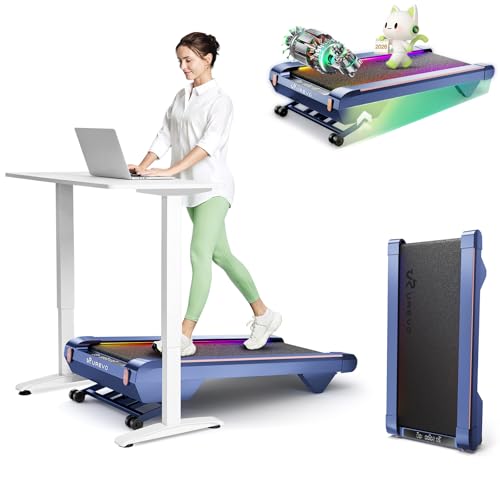

Motor numbers, translated
Headline horsepower in this category is a peak figure unless the listing says continuous duty or CHP. Brushless motors run quieter and last longer at pad speeds. A 2.5 HP label on a budget pad and a 2.25 HP continuous-duty label on the LifeSpan are not the same claim; the second is the stronger one.
Incline, handlebars, and apps
Incline is the feature most worth paying for: it multiplies effort without speed. Handlebars are worth it for balance confidence, not for leaning on (leaning unloads your legs and skews your posture). Apps range from useful to intrusive; insist that the remote controls everything essential, and treat app features as a bonus, never the product.
Noise is a system, not a spec
There is no standard decibel test in this category, so treat printed dB numbers as marketing. What actually decides noise: motor type, belt lubrication, floor hardness, and whether the room below is yours. A dense mat under the pad is the cheapest noise upgrade that exists.
FAQ
Questions, answered straight
What is the minimum belt width I should accept?
16 inches for most adults. Narrower belts exist on ultra-compact models and suit smaller walkers, but they are the first complaint in owner reviews of those models.
Can I run on a walking pad?
No, unless it is a 2-in-1 model with the handle up and a stated jogging speed. Flat pads top out at 3.7-4 mph and their decks are not built for running impact.
How much should I spend?
Budget pads cluster at the lowest tier and serve light use well. The mid tier buys incline, capacity, and duty. The premium tier (LifeSpan class) buys years of all-day use. Match the tier to your hours, per the first section of this guide.