Buying guide
Home Gym Under $500 Buying Guide (2027): Allocation, Sequencing, and the Cuts That Matter
How to build a home gym under $500: allocate the total by training pattern, buy in the order the program needs, protect a reserve, and recognize the false economies that quietly break budget builds.
Allocate by pattern, not by product category
Write the patterns down the side of the page: press, row, hinge, squat, vertical pull, core, conditioning. Assign every dollar a pattern before any product is named. The exercise exposes the classic budget failure instantly, three products serving the press and nothing serving the pull. When each pattern has exactly one owner and the load core owns the largest share, the build is balanced in the only sense that training respects.
Sequence purchases across two phases
Phase one is the core: dumbbells, mat, bands, and the door bar if the door allows. Train it for a month. Phase two spends what remains on the bench, the kettlebell, and finishers in rank order, informed by which patterns your actual program leaned on. Sequencing is not delayed gratification; it is market research conducted with your own training, and it routinely changes the second cart for the better.
Top picks from our research
Full ranked list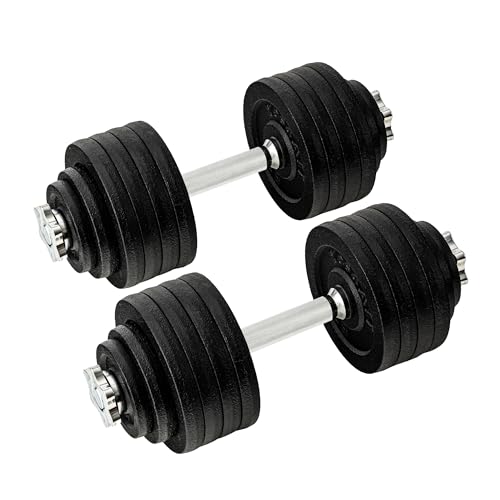
Refuse the false economies
Four cuts look thrifty and cost the build dearly: skipping the mat (floor damage and noise complaints follow), shrinking the dumbbell set (a ceiling you meet in months), buying a cheap fixed bench that cannot fold in a room that needed the fold, and spending the reserve (the first replacement band or collar then breaks the budget retroactively). The true economies are elsewhere: spinlock over dial, stepper over treadmill, singles over sets.
Buy standard patterns and open systems
At this budget, compatibility is wealth. Standard 1 in plates fit every handle and resell everywhere. Door anchors follow any solid door to the next apartment. Tiles and bands and ropes are universal. Proprietary ecosystems with unique fittings strand a small budget when one part dies; open systems let every later dollar, including secondhand dollars, join the build.
Audit the build at ninety days
Three months in, list what you used weekly and what you have not touched. The untouched piece is next phase's budget, reclaimed by selling or returning it to the plan. The pattern that progressed fastest names the upgrade. Budget builds stay good by being edited, and the ninety-day audit is the edit that keeps a $500 gym honest for years.
FAQ
Questions, answered straight
Should I buy everything in one order to save shipping?
Only the phase one core, and only if shipping math truly rewards it. The sequencing value of training a month between phases exceeds typical shipping savings, because phase two informed by real training routinely differs from phase two imagined in week one.
Is secondhand equipment a good budget move?
For iron, excellent: plates and dumbbells are inspectable and effectively ageless. For bands, benches with moving parts, and anything with a mechanism, buy new unless you can inspect in person; wear hides in exactly the parts that matter. Spend the savings from used iron on the new pieces that wear.
How much of the $500 should stay unspent?
A small reserve, roughly a tenth, held for chalk, collars, a replacement tube, and the first extra plate pair when a lift stalls. Builds that end with exactly zero unspent tend to stall at the first consumable, which is the most avoidable stall in fitness.