Buying guide
Home Gym Under $1000 Buying Guide (2027): Choose the Path, Cost the System, Fund the Ceiling
How to build a home gym under $1000: decide rack versus compact with a room and ceiling audit, cost every build as a complete system with flooring, and sequence the purchases so no phase strands the budget.
Run the two audits before any product
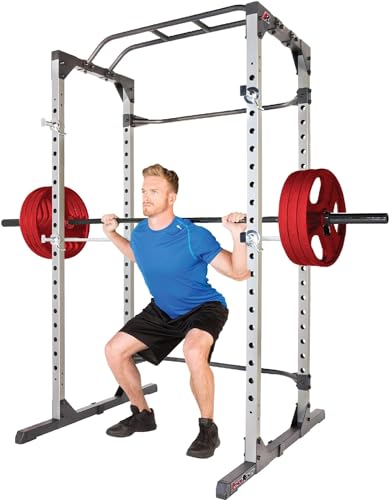
The room audit: measure the floor a station would claim, the ceiling above it including tracks and openers, the storage slots for folding pieces, and the household's true tolerance for a permanent gym. The ceiling audit: list your program's lifts and mark which loads pass 52.5 lb per hand inside three years. Together the audits choose the path in most homes without further debate: rooms that fail the station test take the compact path, programs that fail the dumbbell ceiling take the rack.
Cost systems, never products
Build the full cart on paper for each path: core, bench, flooring, the shared pieces you actually need, and shipping where it applies. The path comparison is only honest at system level, because the cage path's plates and the compact path's cardio hide in different line items. If a system overflows the total, trim by the guide's order, finishers first, flooring never, and the core last of all.
Top picks from our research
Full ranked list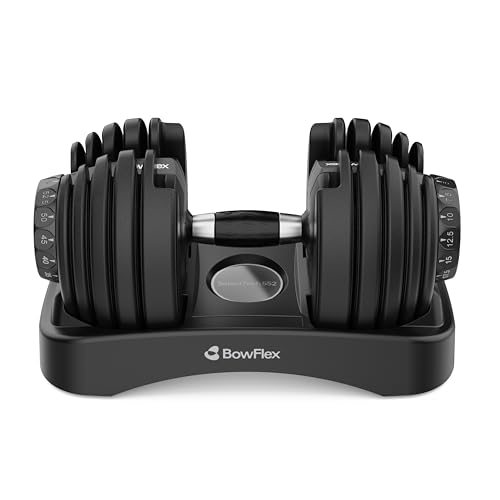
Sequence so no phase strands you
Flooring and core first, bench with them if the system allows, shared pieces next, finishers last. Every phase of that order is a trainable gym on its own, which matters if life pauses the budget mid-build. The stranded build is the one that bought accessories first; the resilient build can stop after any phase and still train completely at that phase's ceiling.
Write the three-year costs down
Each path has known future spending: plates by the pair on the rack path, expansion stages on the PowerBlock route, a possible system replacement on the 552 route if outgrown. None of these disqualifies a path, and all of them belong in the decision. A $1000 build chosen with its year-three costs visible is a plan; chosen without them, it is a surprise with good intentions.
Keep the reserve and the receipts
Hold a small slice unspent for the consumables and corrections the first ninety days reveal: a collar set, a change plate pair, a better knee pad, the storage hook the plan forgot. And keep receipts and boxes through the first month; the system audit sometimes changes its mind at assembly, and a returnable mistake is a cheap education compared with an owned one.
FAQ
Questions, answered straight
Is $1000 better spent on one premium piece and basics?
Almost never at this total. A premium rack or dumbbell system alone leaves the build without flooring, bench, or load completeness, and incomplete systems train worse than balanced ones. Premium singles become rational at higher totals where the system around them is already funded.
How much should flooring really get in a $1000 system?
Enough to cover the working zone in the right material: tiles under the compact corner, a full station of rubber on the rack path. It is the least glamorous line and the one every later year thanks, because floors, noise, and winter comfort are daily experiences while spec differences are weekly ones.
When is the $1000 build the wrong spend entirely?
When training itself is unproven. A $500 core and ninety days of adherence data will choose this budget's path better than any guide, and the $1000 then lands as an upgrade with evidence behind it. Spend in the order that information arrives.