Buying guide
Compact Rowing Machine Buying Guide (2027): Stored Size, Rail Length, and Resistance Explained
How to buy a compact rower: measure the stored machine, match rail length to your inseam, and choose magnetic, air, water, or hydraulic with open eyes.
Measure the stored machine, not the showroom machine
Write down three numbers before you shop: the floor patch where the rower will live in use, the patch where it will wait stored, and the ceiling height if it stores upright. Folding rowers stand tall, split rowers need two lean spots, and upright rowers like the WaterRower need about 82 in of clear height plus tipping room. A machine that fits in use but not in storage will end up as a clothes rack in the middle of the room.
Rail length is a fit spec, not a size spec
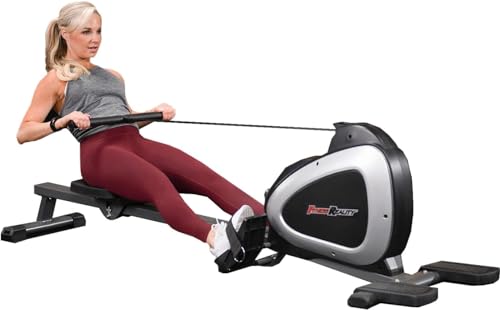
At the catch, your shins should be near vertical with the seat still on its travel; at the finish, your legs should extend fully before the seat hits the end stop. If the rail runs out early, you row with bent knees and a shortened stroke forever. As a rough map: budget compact rails suit rowers up to about 6 ft, extended rails and the Fitness Reality class reach taller, and the Concept2 monorail fits inseams to about 36 in as shipped. Height alone misleads; inseam decides.
Top picks from our research
Full ranked list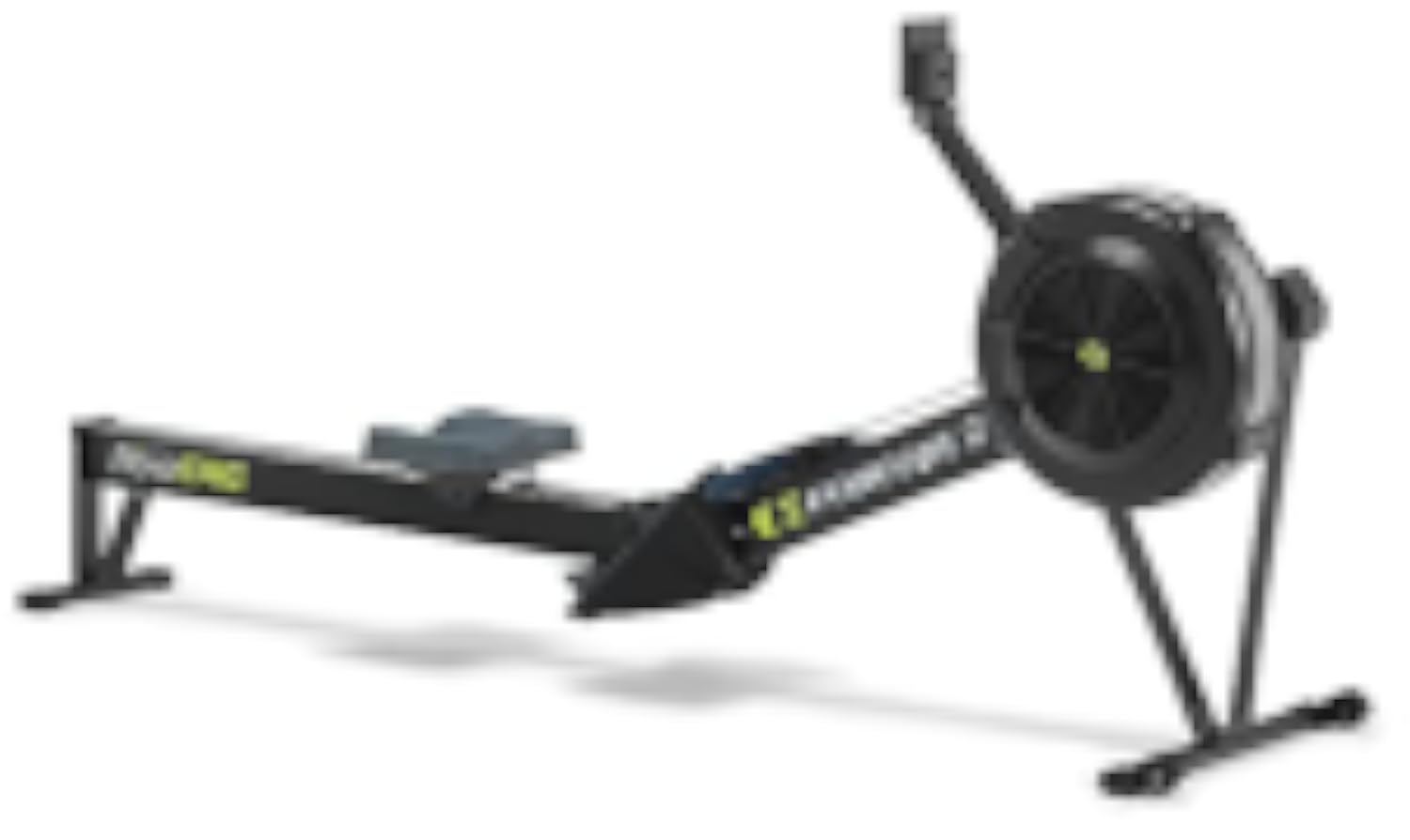
Resistance types, honestly traded
Magnetic is quiet, consistent, and folds well, but the feel is set by a dial, not by your effort. Air scales with effort and gives real training data, at the cost of noise. Water scales like air with a softer sound and a small upkeep routine. Hydraulic is tiny and near silent, but the stroke is an approximation and the resistance drifts as the cylinder warms. Choose by the room and the rower you are, not by which sounds most advanced.
Wheels, weight, and the daily test
Ask one question of any storage claim: will I do this every day, in under two minutes, without help? Transport wheels that only work on hard floors, folds that need a pin pulled with pliers, and upright tips that need two people all fail that test in real homes. Machine weight cuts both ways: heavier rails feel planted in use and punish you in storage, so match the weight to the distance it travels daily.
Monitors: fitness data vs training data
Most compact rowers report time, strokes, and an estimated calorie figure, which is enough for general fitness. Training rowers should look for pace per 500 m, watts, and exportable logs, which in this guide means the Concept2 PM5 and, in connected form, machines in our water rower coverage. Do not pay premium money for a basic monitor dressed in a large screen.
FAQ
Questions, answered straight
What is the smallest real rowing machine?
Hydraulic models like the Sunny SF-RW1205, at roughly 53 in long with no rail. They are genuinely small, and genuinely a different exercise feel from rail rowing. The smallest full rail experience that stores well is a folding magnetic rower or an upright WaterRower.
Do compact rowers wear out faster?
The storage hardware adds wear points: folding pins, hinges, and seat rollers on short rails. Makers with real parts catalogs (Concept2, WaterRower, Stamina, Sunny) are safer long-term buys than no-name folders at the same price.
Can two people of different heights share a compact rower?
Yes, if the rail fits the taller rower; the shorter rower simply uses part of the travel. Check the taller person's inseam against the rail first, and check capacity against the heavier person.